When people compare part-time maids and live-in helpers in Singapore, the real difference is not just the cleaning itself, but the way each arrangement fits into a household’s routine, privacy and level of support. Some families only need help for a few hours each week, while others prefer someone who stays in the home and takes on a wider range of daily chores. Understanding the distinction helps you choose the arrangement that is practical, sustainable and suitable for your home.
What a part-time maid arrangement usually involves
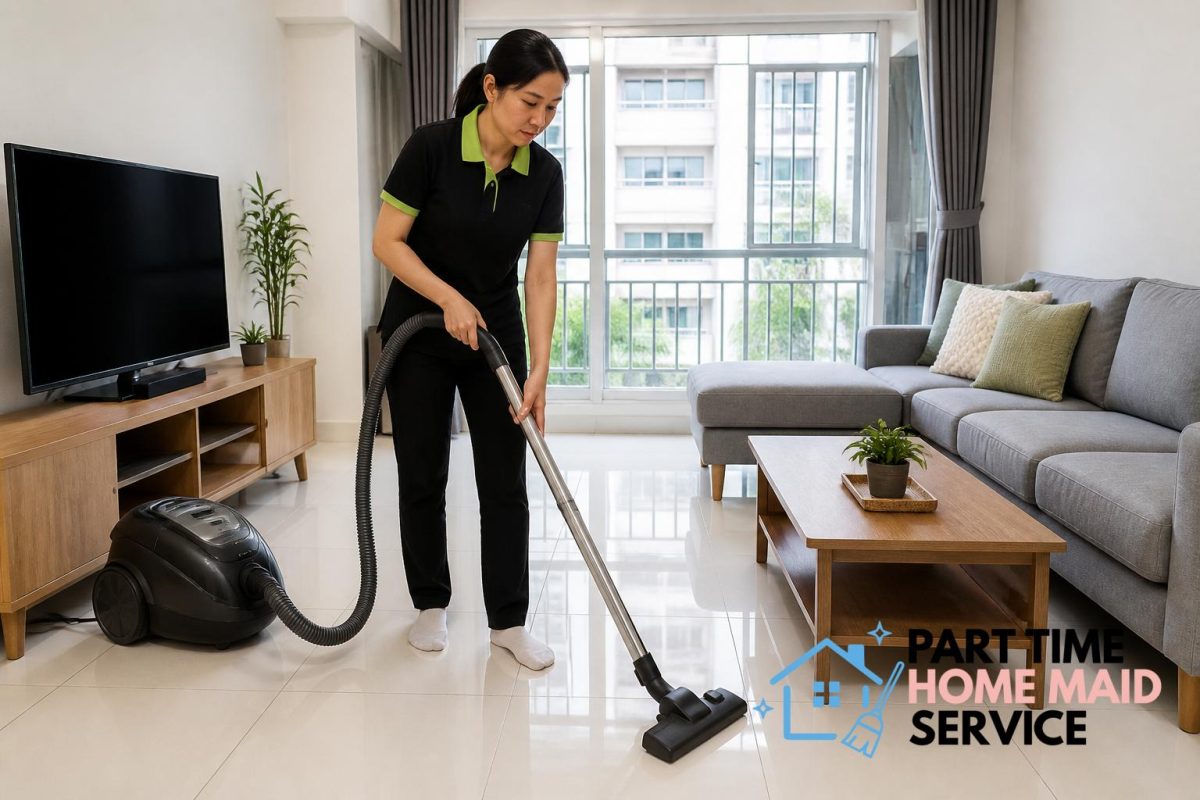
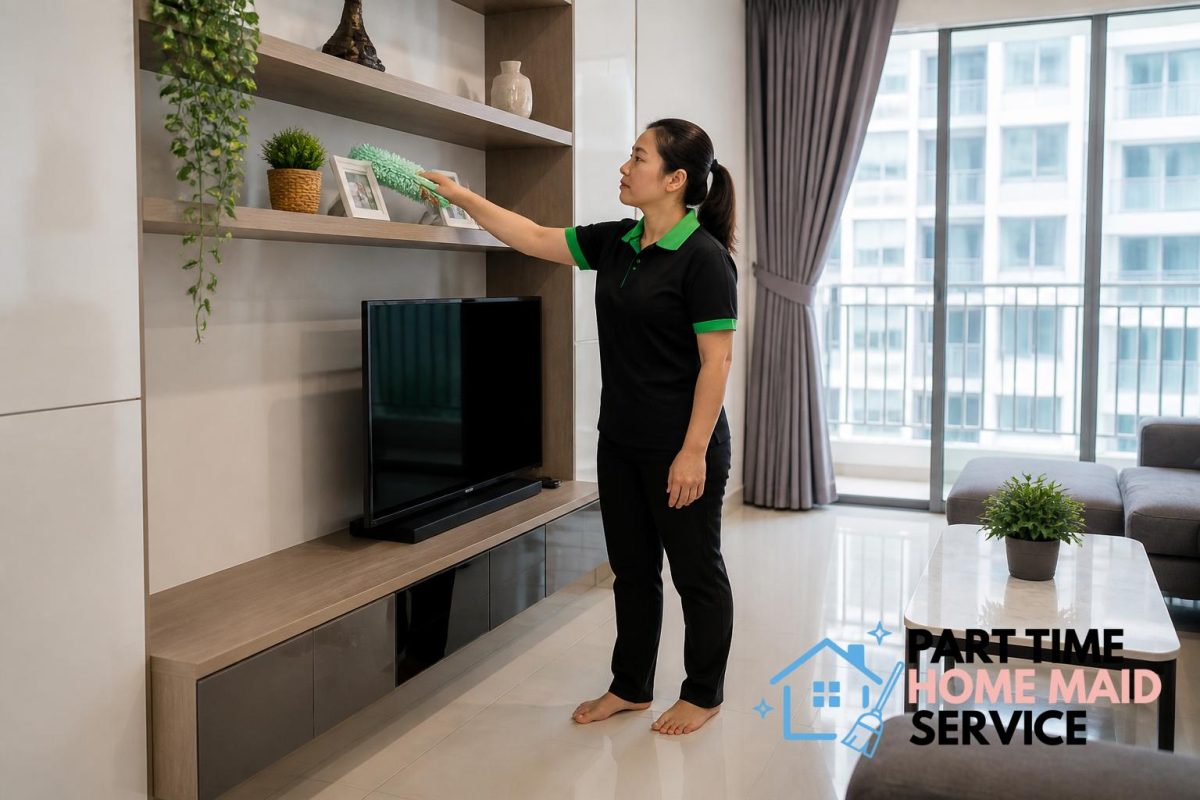
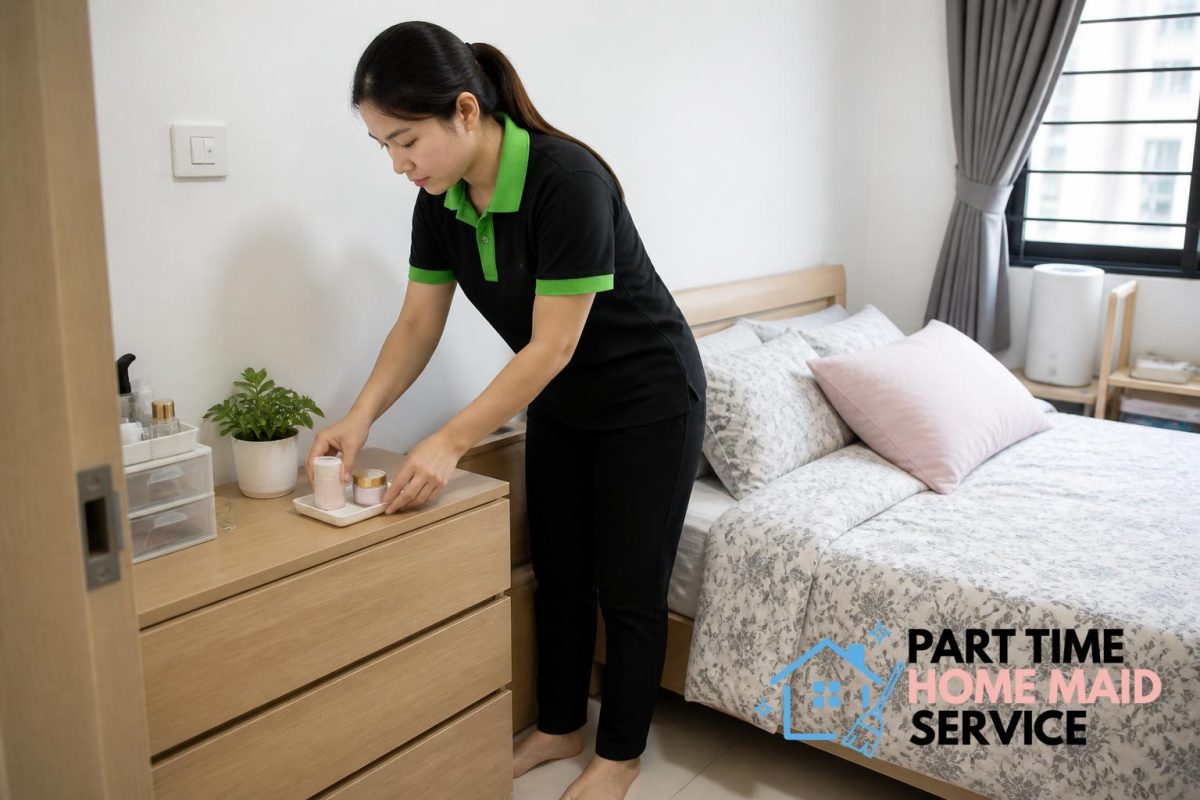
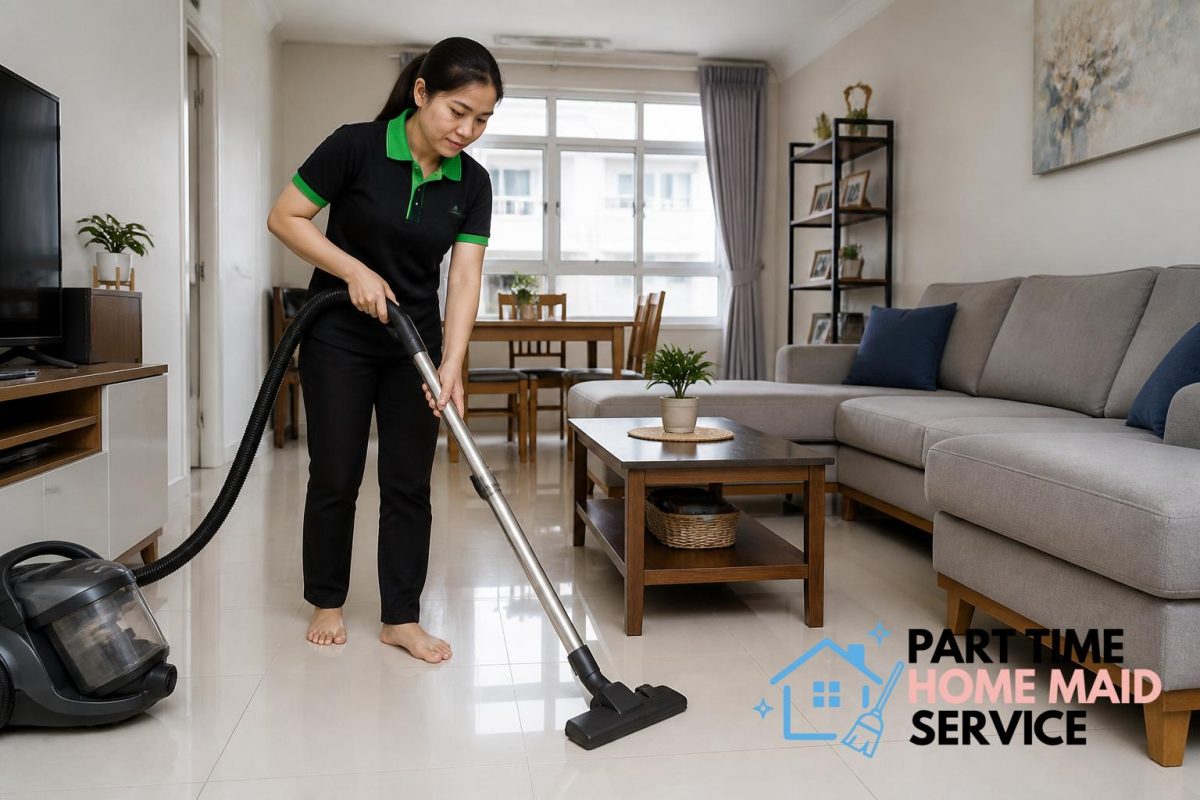
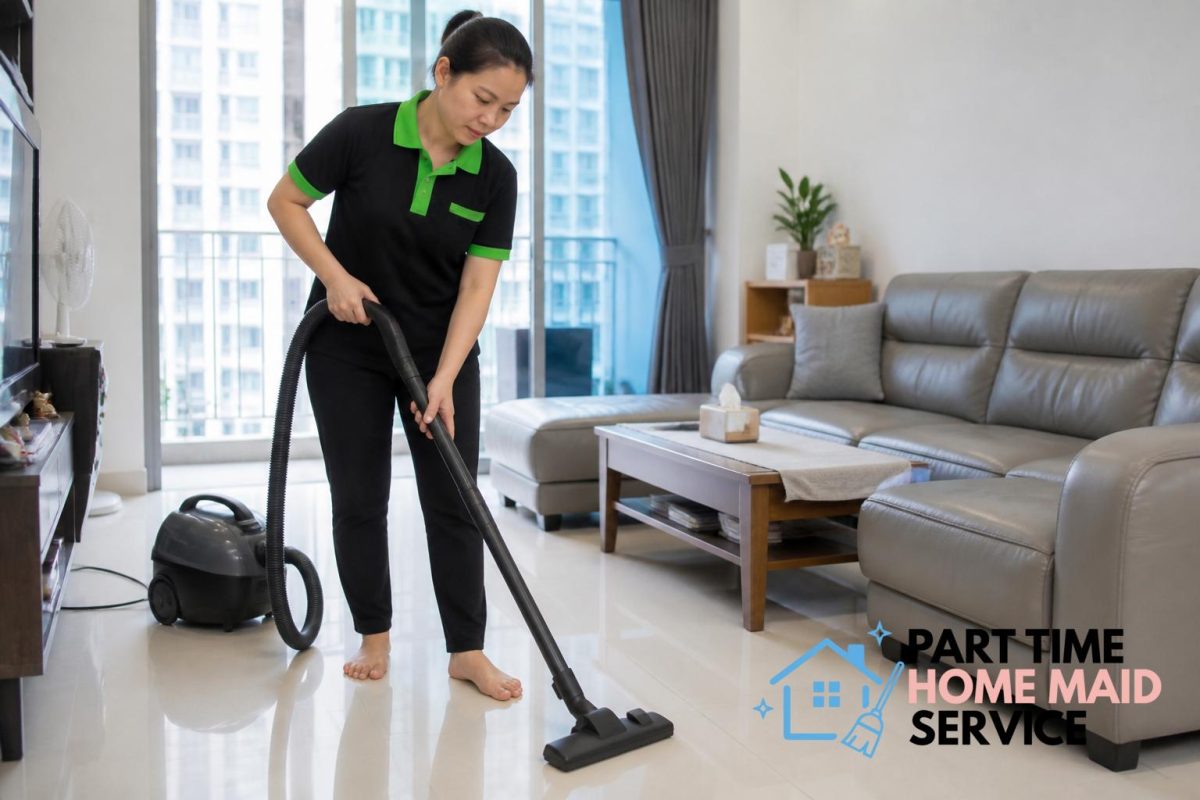
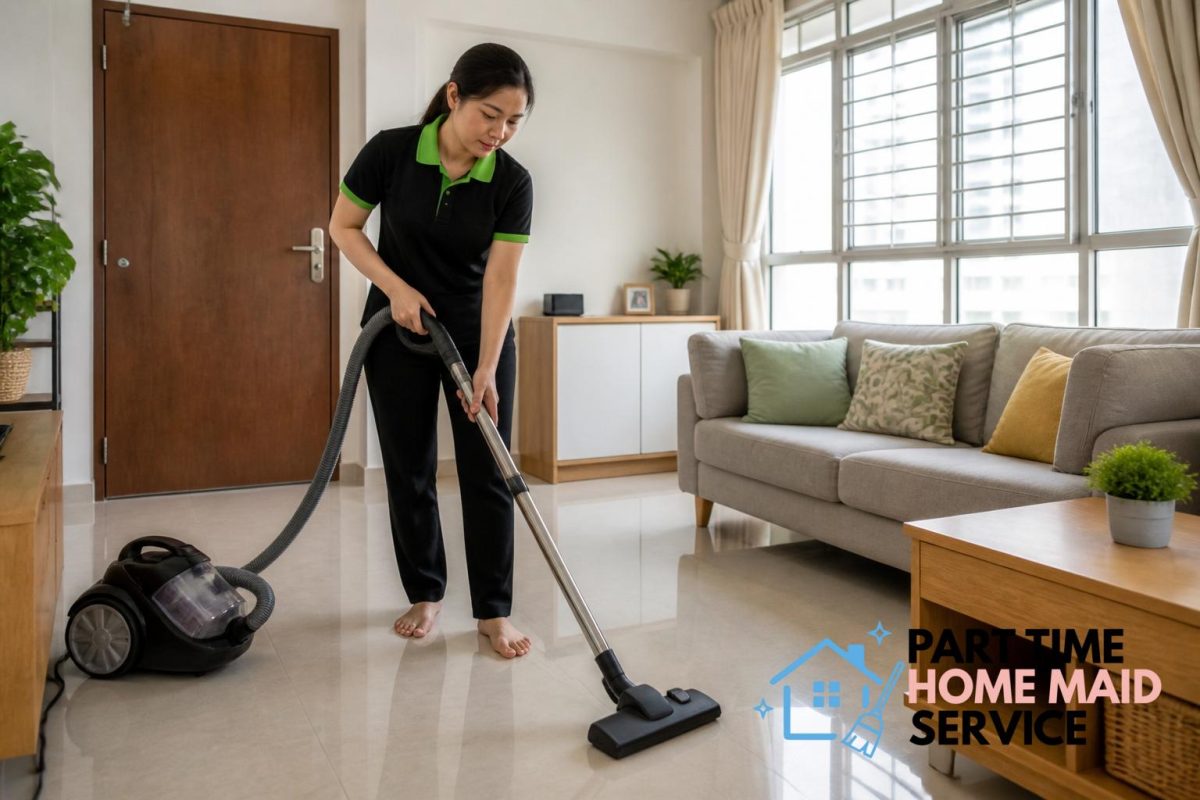
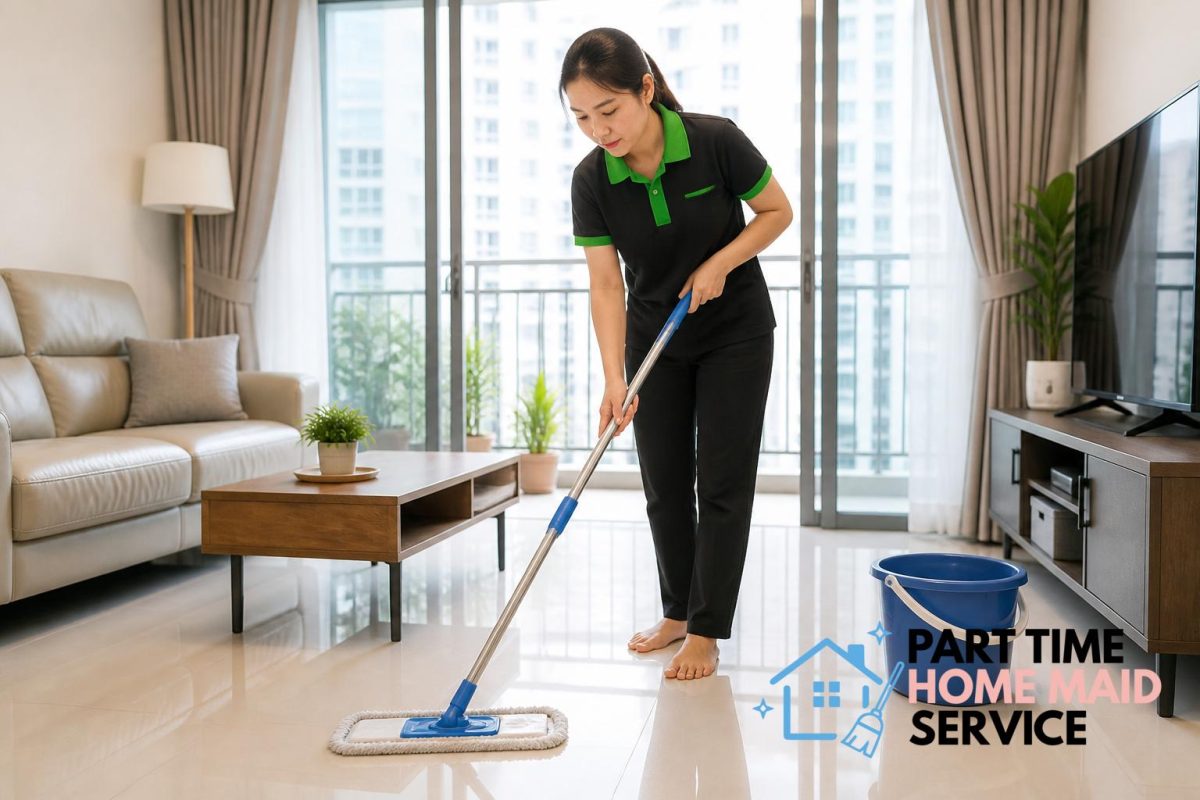
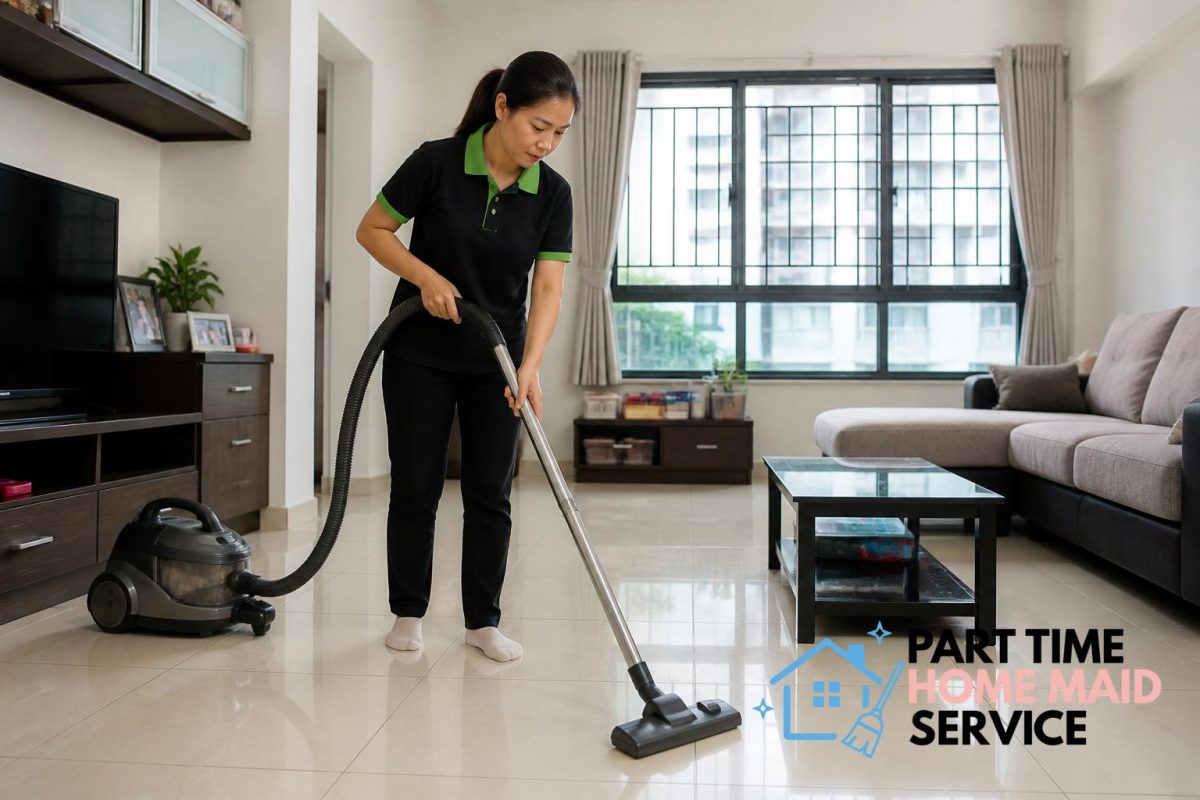
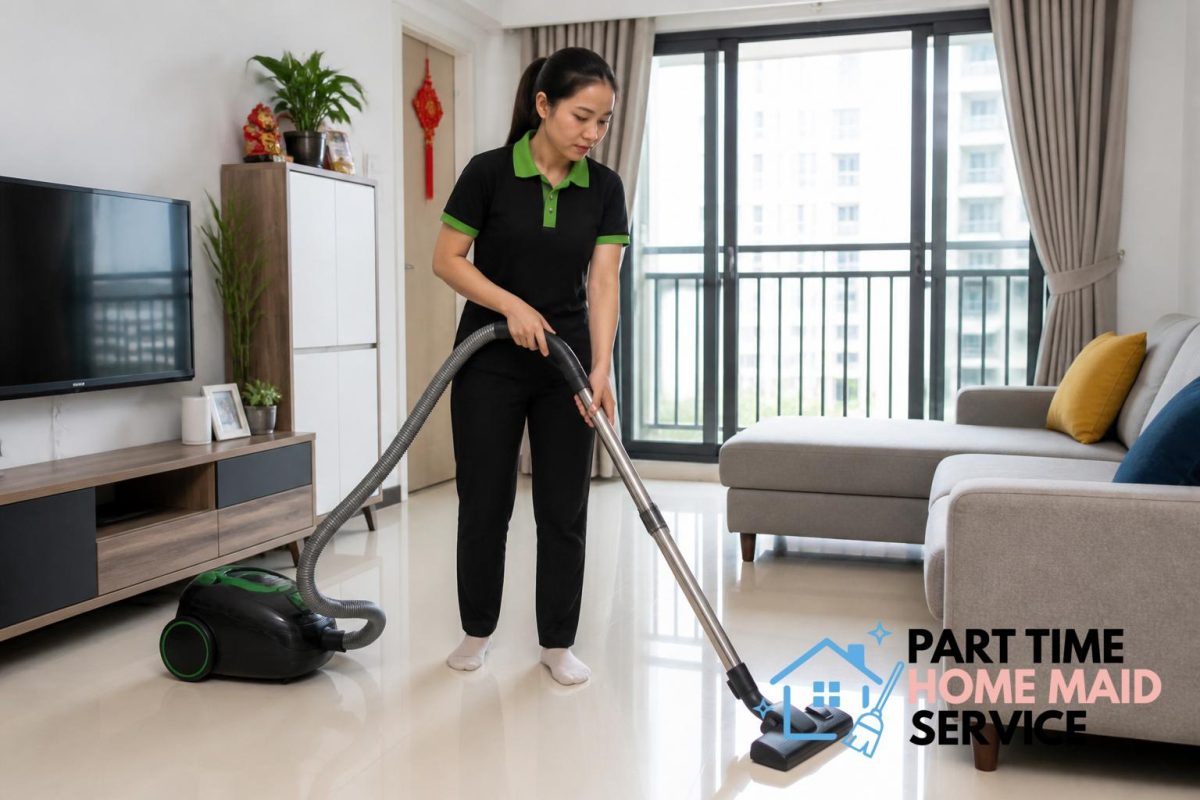
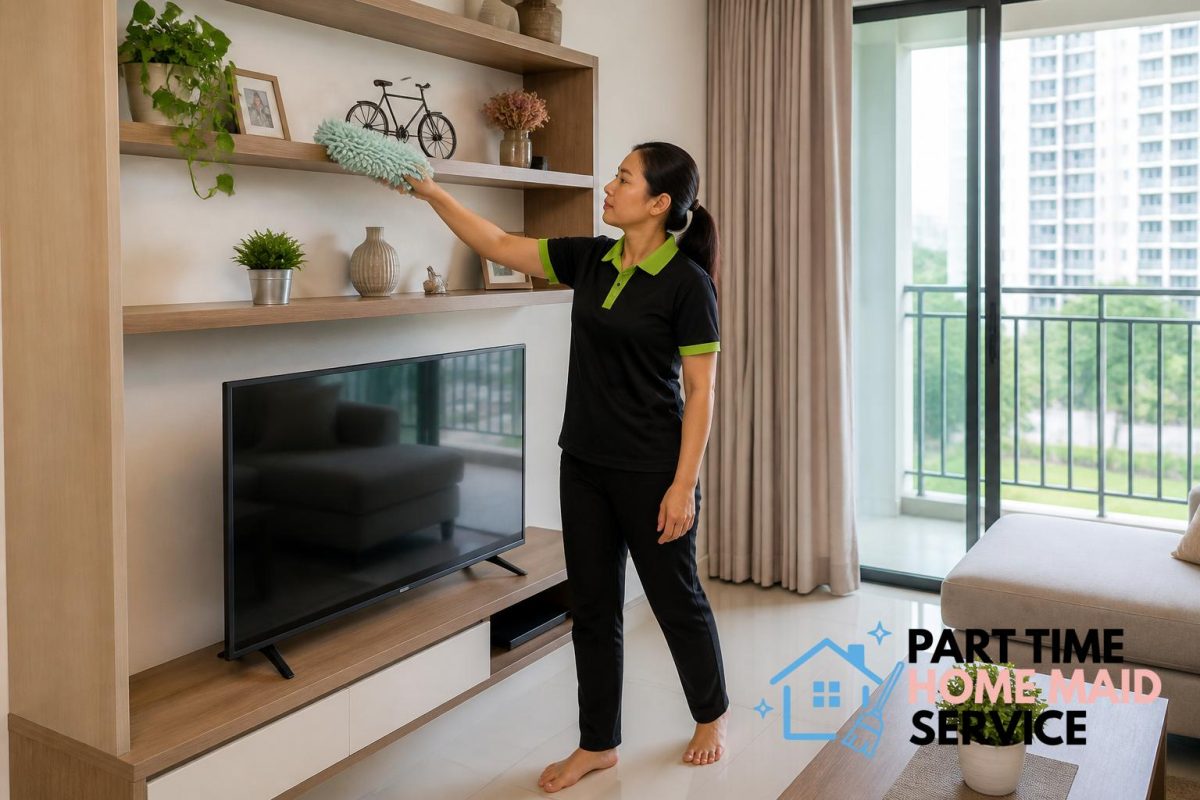
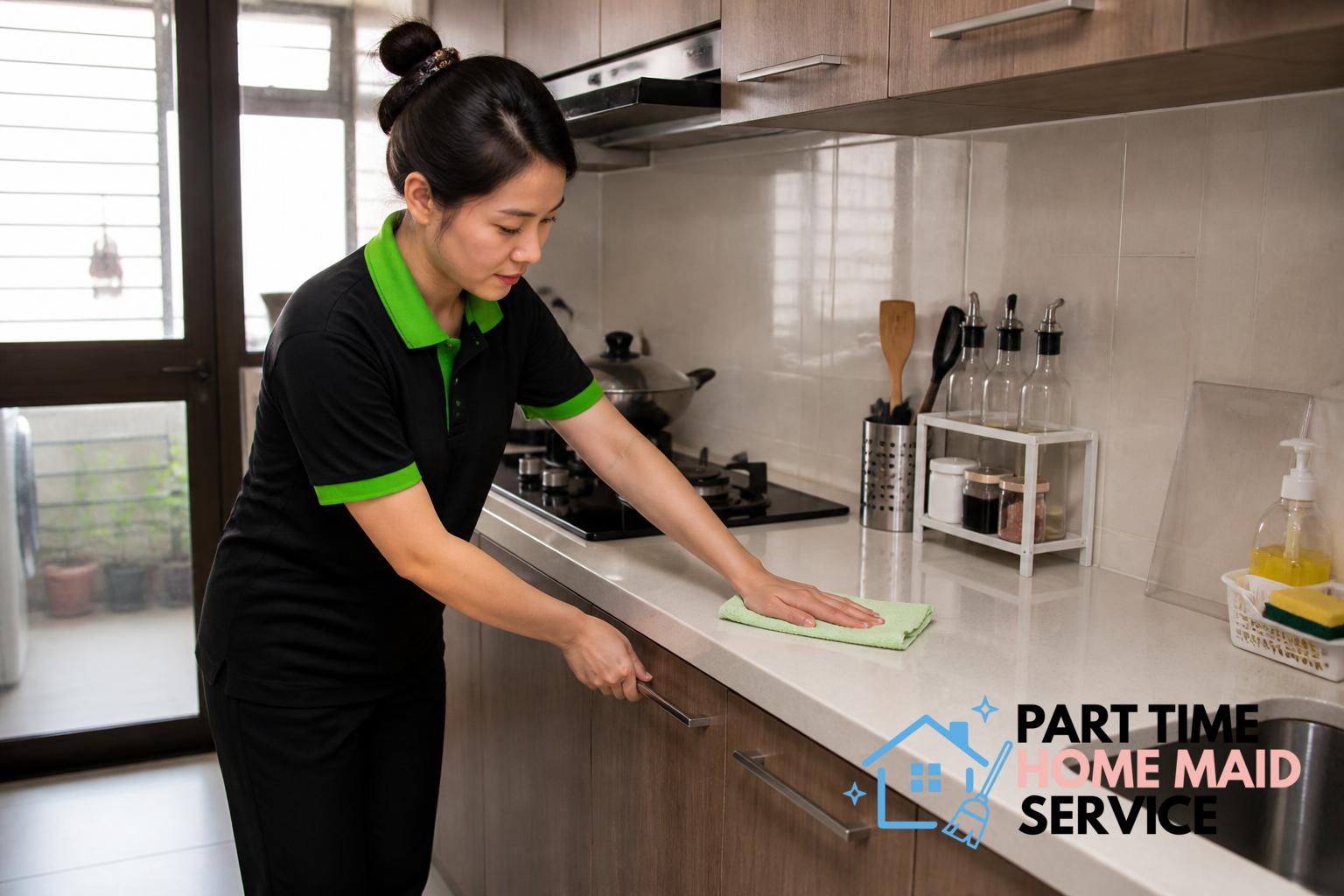
A part-time maid in Singapore comes in on a scheduled basis, often weekly or several times a month, to help with household cleaning and general upkeep. The work is usually focused on specific tasks such as mopping, vacuuming, bathroom cleaning, wiping surfaces, changing bed sheets, ironing, and light housekeeping. The exact scope depends on the home’s needs and the agreed service plan.
This arrangement is generally suited to households that do not require daily assistance. It offers flexibility for families living in HDB flats, condominiums or landed homes, especially when both adults are working or when the household only needs regular maintenance rather than full-time care.
How a live-in helper differs in daily support
A live-in helper stays in the household and is available throughout the day, subject to rest time and the family’s routine. Compared with a part-time maid, a live-in helper is usually expected to take on a broader range of day-to-day responsibilities. These may include cooking, cleaning, laundry, child-minding, eldercare support and other home management tasks.
This setup is more suitable for households that need ongoing assistance, particularly larger families, homes with young children, or homes where elderly family members need regular support. Because the helper lives in the home, the arrangement is more integrated and usually requires more coordination around privacy, room space and household routines.
Differences in flexibility and scheduling
One of the clearest differences is scheduling. Part-time maid services are planned around chosen time slots, which means the household can decide when cleaning should happen and how often. This works well for busy Singapore households that want support without changing the home’s daily rhythm too much.
Live-in helpers, on the other hand, are part of the home’s daily flow. The household needs to plan around someone being present all the time, and that can be an advantage for families that need constant support. However, it also means the arrangement is less flexible if the family only wants occasional help or prefers more personal privacy.
Scope of work and household expectations
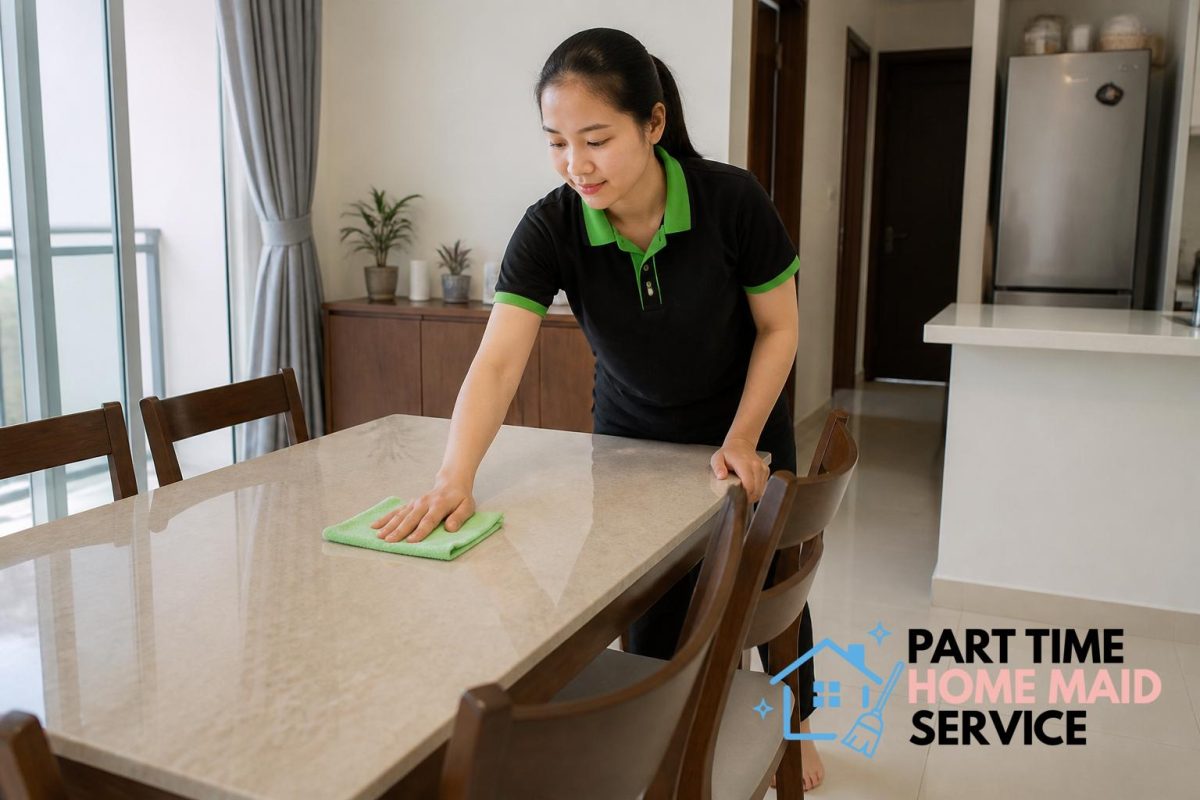
Part-time maid services are usually task-based and focused on upkeep. A typical visit might cover general house cleaning, ironing, tidying common areas and sometimes light organisational support. The emphasis is on maintaining cleanliness and order at agreed intervals rather than managing the household continuously.
Live-in helpers often handle a wider and more dynamic range of duties. Because they are present every day, they may be asked to switch between housekeeping, errands and family support as needed. This can be useful, but it also means expectations need to be clearly communicated to avoid confusion about boundaries and priorities.
Privacy, space and household lifestyle
For some Singapore homes, privacy is a major deciding factor. Part-time maid arrangements allow families to keep their home fully private outside the scheduled visit. This can be ideal for couples, smaller households, or families who prefer to manage their own routine but still want regular cleaning support.
Live-in helpers require a dedicated room or suitable sleeping arrangement, and families should be prepared to share their home more closely. This is not a disadvantage on its own, but it does mean the household lifestyle needs to accommodate another person living in the space. For some homes, this works very well; for others, a part-time maid service is a better fit.
Cost and value considerations in Singapore
Cost is another practical difference. Part-time maid services are generally paid by the visit or by a recurring package, which can be easier to budget for households that only need support once a week or on selected days. You pay for the time and scope you need, without taking on a full-time living arrangement.
Live-in helpers usually involve a more comprehensive financial commitment because the arrangement covers daily support and a resident helper position within the household. Families often weigh this against the amount of work they need done, the number of people in the home and whether full-time help will genuinely improve day-to-day living.
Which option suits different Singapore households
There is no single right choice for every home. A part-time maid is often suitable for households that want regular cleaning, ironing or housekeeping support but can manage the rest of the day themselves. It is also a practical option for people who prefer flexibility and minimal disruption to the home.
A live-in helper may be better for larger families, homes with young children, or households that require ongoing support across cleaning, cooking and caregiving. The best choice depends on how much help is needed, how often it is needed, and how much privacy and space the household wants to maintain.
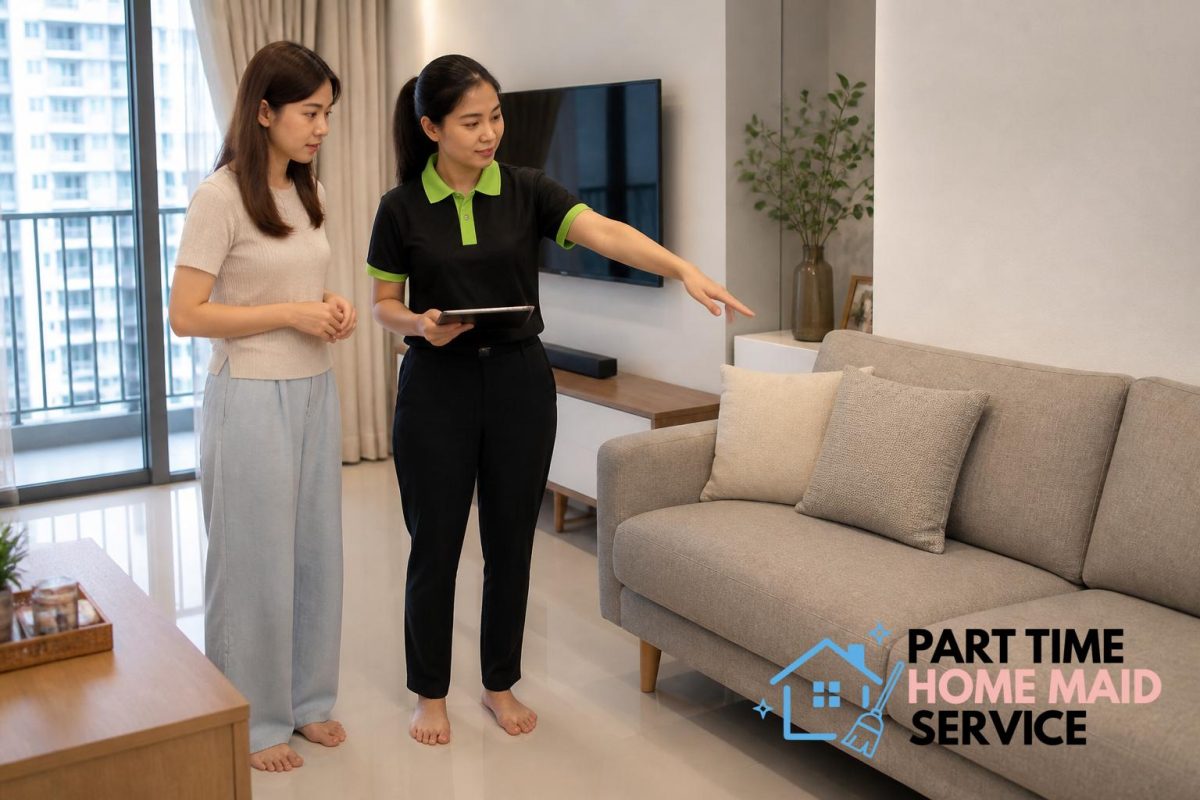
If you are deciding between part-time maid support and a live-in arrangement, you can WhatsApp Part Time Home Maid Service Singapore to discuss a suitable arrangement and request a quotation based on your home type, service scope, frequency, preferred schedule and any special cleaning needs.
Conclusion
Part-time maids and live-in helpers both provide valuable household support, but they serve different needs. Part-time maid services offer flexible, scheduled help for cleaning and upkeep, while live-in helpers provide more continuous day-to-day assistance within the home. For many Singapore households, the better choice comes down to how much support is needed, how often it is needed and how much privacy the family prefers.
Choose Part Time Home Maid Service Singapore
Part Time Home Maid Service Singapore provides reliable home maid service solutions for households that require consistent and recurring cleaning support. Through structured part time maid services, homeowners can arrange weekly house cleaning, weekly maid service, or flexible hourly maid service based on their routine. Ongoing home cleaning services and part time home cleaning are handled by experienced part time maid, part time cleaner, and part time home maid cleaning service teams who support regular household upkeep across different property types.
Beyond weekly routines, the service scope includes housekeeping, housekeeping cleaning, and dedicated housekeeper services for families and working professionals seeking long-term support. Homeowners may engage a part time housekeeper, part time house cleaner, or part time helper for recurring schedules, while home deep cleaning, deep cleaning maid service, and post renovation cleaning services are available for periodic intensive cleaning needs. Designed around reliability and recurring service planning, part time home maid service singapore supports long-term household maintenance through structured solutions, supported by real service projects and helpful blogs. WhatsApp us today at +65 8241 0032 to arrange weekly or recurring cleaning support.
Frequently Asked Questions
Is a part-time maid the same as a live-in helper?
No. A part-time maid comes in for scheduled cleaning or housekeeping visits, while a live-in helper stays in the home and usually provides broader daily support.
Which option is better for a small Singapore household?
For smaller households, a part-time maid is often more suitable because it provides regular cleaning help without requiring a full-time live-in arrangement.
Can part-time maid services include ironing and light housekeeping?
Yes. Many part-time maid services in Singapore can include ironing, tidying, laundry support and general housekeeping, depending on the agreed scope of work.